Optimize Output: Determining the Appropriate Dust Collector Units for Your Preferences
Identifying the suitable dust collector filters is important for advancing system efficiency. Multiple considerations determine this selection, such as dust type, airflow needs, and filter performance. Understanding the differences between bag and cartridge filters can substantially impact operational success. Regular care also plays a critical function in longevity and performance. As firms aim for better air quality and cost savings, the complexities of filter determination become increasingly vital. What criteria should one assess next?
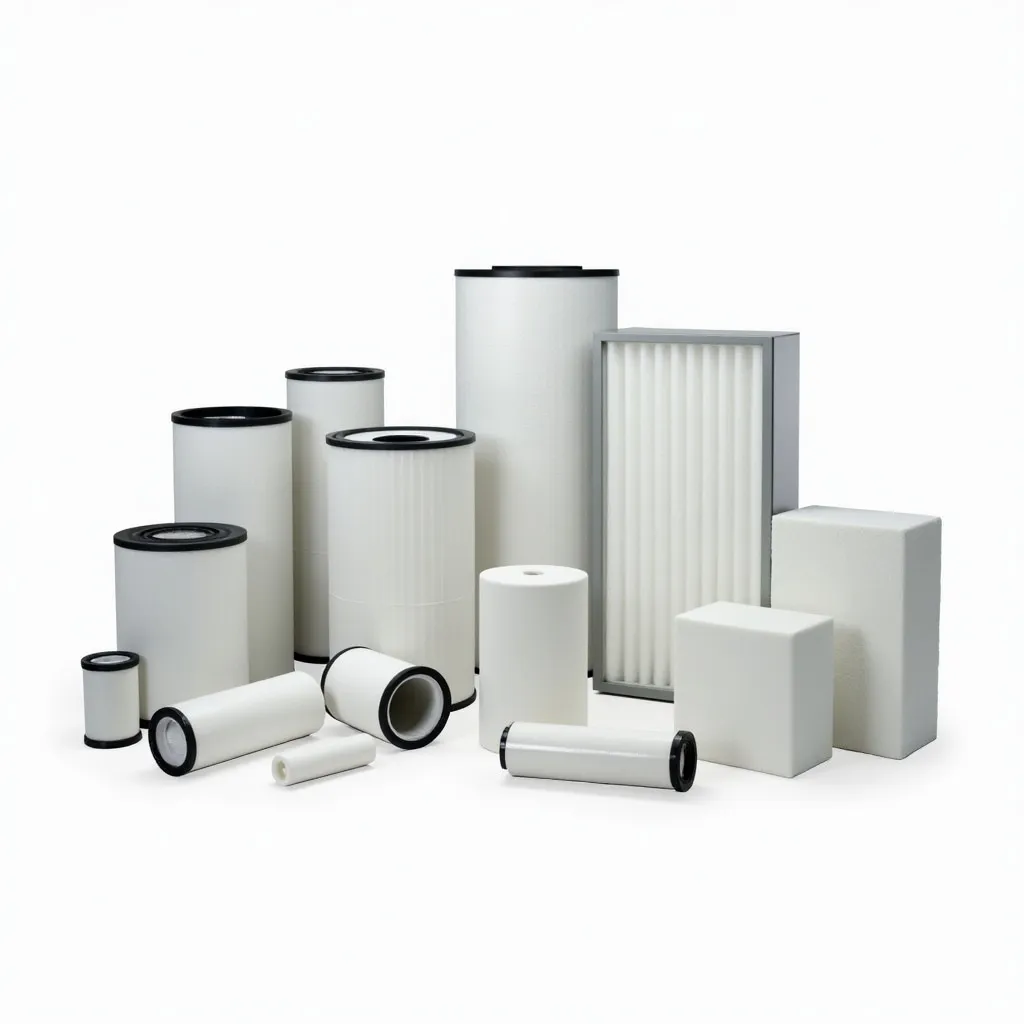
Tips for Picking the Optimal Dust Collector Filter
Picking the appropriate dust collector filter can often seem overwhelming. With multiple options available, understanding the specific needs of the workspace is critical. Variables such as the dust variety made, the air volume requiring filtration, and the preferred efficiency standards play important roles in the selection process.
In addition, the filter's alignment with the existing dust collection system is critical to guarantee optimal performance. Thought should be given to the filter's useful life and maintenance requirements, as these can influence operational costs.
Performance ratings and certifications can also guide users in selecting filters that meet industry standards.
In the final analysis, understanding the distinct application requirements and environmental circumstances will result in a more prudent choice, maximizing the effectiveness of the dust collection system and establishing a cleaner and more secure work area.
Bag Filtering Description
Bag filters serve a critical function in dust collection systems, effectively capturing airborne particles and maintaining air quality in multiple industrial environments.
These filters are typically constructed of woven or non-woven materials that can capture dust, strands, and other particles. Common varieties include needle-punched felt and woven fabric bags, each offering distinct filtering effectiveness and operational properties.
Bag filters are routinely used in operations extending from woodworking to metalworking, where fine dust control is critical. They can also be configured in different shapes and sizes to fit into specific systems.
Regular maintenance and replacement intervals are important to guarantee optimal operation, as clogged filters can hinder airflow and reduce system effectiveness.
Proper selection of bag filters is essential to optimizing dust gathering efficiency.
Filter Filters Explained
Cartridge filters serve as another effective solution in dust collection systems, complementing the role of bag filters.
These filters are designed with a cylindrical form, maximizing surface area and enhancing dust capture efficiency. Generally made of pleated materials, cartridge filters can trap fine particles, ranging from 0.5 to 5 microns, rendering them ideal for various industrial applications.
Their lightweight design supports convenient installation and upkeep, often delivering minimized operational expenses. Additionally, cartridge filters can be maintained using pulse jet technology, extending their lifespan and reducing waste.
When choosing cartridge filters, you should think about the type of dust being collected, airflow requirements, and specific industry regulations to guarantee peak performance and compliance.
Significant Criteria for Selecting Dust Collector Filter Components
Choosing dust collector filters requires evaluating several essential criteria to guarantee ideal functionality and efficiency.
Initially, the filter material serves a key function; possibilities range from polyester, polypropylene, and cellulose, each fitting particular dust varieties and uses.
Second, the filter's efficiency measure, often determined by MERV (Minimum Efficiency Reporting Value), should harmonize with the unique needs of the workspace.
Additionally, the filter's airflow resistance must be assessed, as elevated resistance can lead to increased energy costs and reduced airflow.
The filter's size and compatibility with existing equipment remain significant, ensuring correct setup and best performance.
In conclusion, maintenance requirements, including cleaning and replacement frequency, should be examined to lessen downtime.
In What Way Does Filter Efficiency Influence Air Quality?
How does filter efficiency affect air quality? The effectiveness of dust collector filters has a direct relationship with the particulate matter removed from the air. High-efficiency filters capture smaller particles, including allergens, dust, and harmful pollutants, thereby significantly enhancing indoor air quality.
When filters work at maximum effectiveness, they limit the circulation of contaminants, mitigating respiratory issues and other health risks stemming from poor air quality.
In industrial settings, the decision regarding filters can guarantee compliance with health and safety regulations, influencing total occupational health. In contrast, poor-performing filters may enable toxic substances to escape into the surroundings, intensifying pollution.
Consequently, determining the suitable filter not only increases air quality but also promotes a more salubrious atmosphere for employees and the surrounding community. Ultimately, allocating funds to high-efficiency filters is indispensable for sustaining a clean and safe environment, emphasizing the importance of filter selection in dust collection systems.
The Effect of Proper Filter Care on Dust Collector Filter Longevity
Filter upkeep is vital in maximizing the lifespan of dust collector filters. Frequent inspection and cleaning are necessary procedures that ensure maximum efficiency and boost filter longevity.
Postponing care can lead to excessive dust accumulation, which amplifies resistance and decreases airflow. This stress can cause filters to wear out more rapidly, requiring premature replacement.
Furthermore, the form of care performed—whether it encompasses manual cleaning or automatic devices—can also shape durability.
For instance, improper cleaning methods may damage filter media, compromising their efficiency.
Cost Savings of Dust Collector Filters
Cost-effectiveness is an essential aspect in selecting dust collector filters, as it substantially influences operational efficiency and budget management. Businesses must examine both the initial costs and the long-term performance of filters to determine their overall value.
Higher-quality filters may have a steeper upfront price but can offer better filtering performance and longer lifespan, reducing replacement frequency and maintenance costs.
Furthermore, energy consumption should be factored into the cost equation; filters that allow for smoother airflow can reduce the energy requirements of dust collection systems.
Analyzing the total cost of ownership, which encompasses purchase, maintenance, and operational expenses, offers an comprehensive view of cost-effectiveness.
Picking the proper filters not only adheres to regulatory compliance but also boosts productivity by lowering downtime and maintaining cleaner work environments, further backing the investment.
Therefore, businesses should carefully evaluate their choices to align filtering selection with financial goals and business requirements.
Filter Selection Guidelines
Determining the ideal filters is important for improving a dust collection system's efficiency. First, one must examine the specific types of dust generated in the workspace, as different materials require different filtering capabilities.
Taking the filter's micron rating into consideration is crucial; finer particles necessitate higher-rated filters. Furthermore, examining airflow requirements assists in selecting filters that preserve peak system performance without excessive pressure drop.
Compatibility with the dust extraction model is another key factor, ensuring a correct fit and function. Finally, one should take into account the filter's durability and ease of replacement to minimize downtime.
Regular Maintenance Procedures
A dust control system requires regular maintenance that is essential for guaranteeing peak performance and longevity. Periodic review of filters is vital; cleaning or replacing them as needed eliminates airflow obstruction and maintains effectiveness.
In addition, checking seals and ductwork for leaks can markedly enhance system efficiency. It is recommended to implement regular maintenance checks, preferably monthly, to mitigate any conceivable problems before they intensify.
Operators should also monitor the pressure gauge to gauge filter condition precisely. Properly maintaining the collection system in total, including the motor and fan components, prolongs the system's operational life.
Adopting these service protocols not only increases dust collection capability but also supports a safer and healthier working environment. Persistent maintenance assures that the system runs at its finest, cutting long-term system expenses.
Popular Questions Asked
What is the Suggested Timeline for Replacing My Dust Collector Filters?
Dust collector filters should generally be changed every 6-12 months, depending on operating complete info conditions and environmental factors. Routine inspections and upkeep can assist in identifying the ideal replacement schedule for maintaining performance and efficiency.
Can Disposable Filters Be washed and used repeatedly?
Disposable filters are not meant for cleaning and reuse. Attempting to clean them can weaken their effectiveness, leading to diminished performance. It is advisable to exchange disposable filters regularly to guarantee optimal dust collection efficiency.
Which Components Work Most Effectively for Dust Collector Filters?
Synthetic fibers, pleated paper, and activated carbon are some of the finest options for dust collector filters. These choices provide excellent filtration efficiency, durability, and the ability to trap fine particles, improving overall air quality in various environments.
Are there eco-friendly filtration options offered?
Indeed, sustainable filter alternatives are offered, including filters made from recovered materials, biodegradable fibers, and natural media. These substitutes can proficiently reduce environmental impact while maintaining filtration efficiency in dust collection systems.
How Can I Enhance Filtration Efficiency in Dust-Heavy Environments?
To improve filter effectiveness in high-dust environments, routine maintenance, selecting appropriate filter substances, maximizing airflow, and implementing pre-filters can significantly increase efficiency and prolong the life span of dust collection systems.
Comments on “Buyer's Guide to improving dust collection system performance”